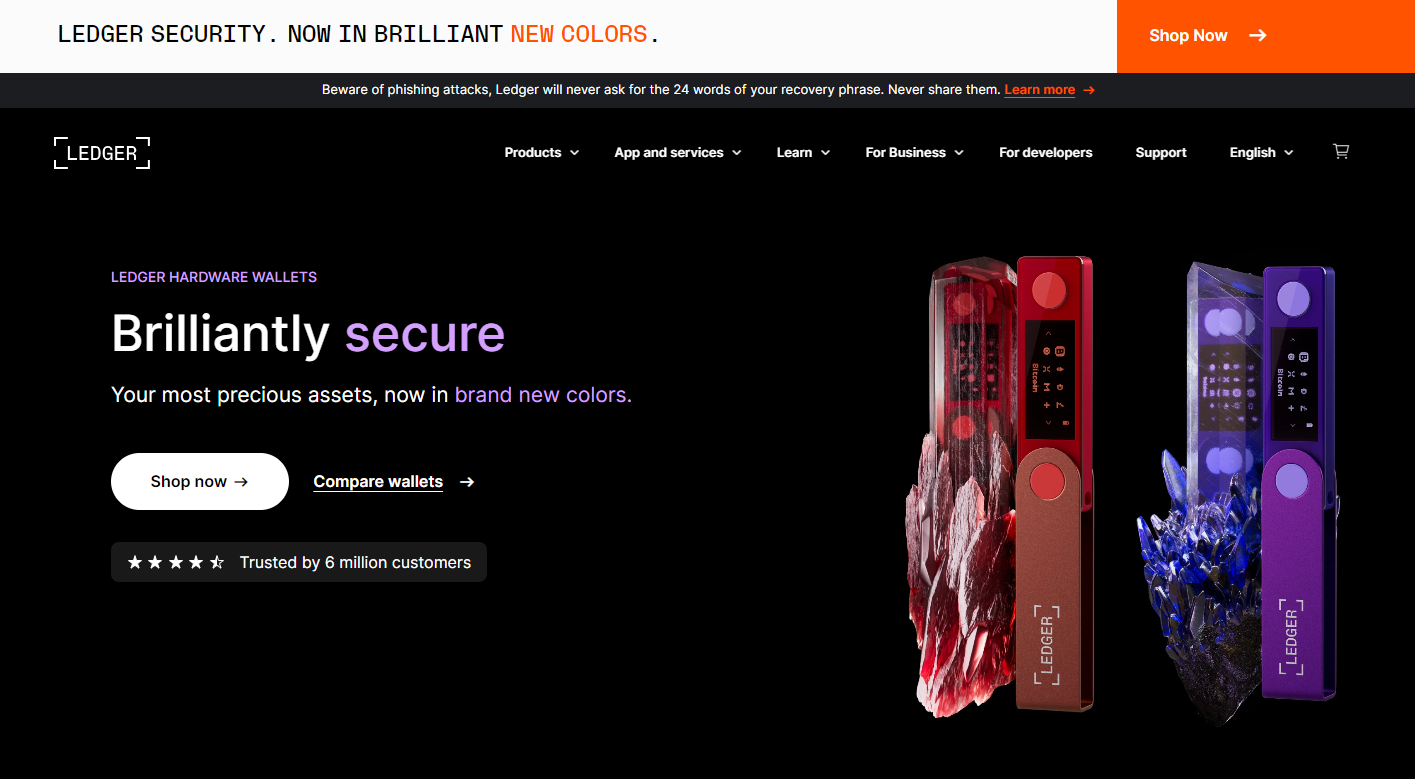
With the growing popularity of cryptocurrencies, safeguarding digital assets has become a critical responsibility for users. Unlike traditional banking systems, crypto transactions cannot be reversed, and lost access often means lost funds. Ledger provides a powerful solution through its hardware wallets, offering a login system built around security, ownership, and user control.
The term Ledger login does not refer to a typical online account sign-in. There is no username, no email address, and no password involved. Instead, Ledger uses a hardware-based access method that ensures private keys remain offline and fully protected from online threats.
This article explains how Ledger login works, why it is different from standard logins, and how users can securely access and manage their cryptocurrency wallets.
Ledger login refers to the process of accessing a Ledger hardware wallet using the Ledger Live application. Access is granted only after the physical device is unlocked and verified. This approach eliminates the risks associated with cloud-based authentication systems.
In simple terms, Ledger login includes:
This method ensures that only the wallet owner can authorize transactions.
Ledger is a well-known manufacturer of hardware wallets designed for secure crypto storage. These devices store private keys in an isolated environment, preventing exposure to malware, phishing, and hacking attempts.
Popular Ledger devices include:
Each device is equipped with a Secure Element chip, which protects sensitive information even if the device is physically accessed by unauthorized individuals.
Most digital platforms rely on email addresses and passwords, which are vulnerable to leaks, phishing attacks, and data breaches. Ledger avoids these risks by removing online credentials entirely.
Instead of passwords, Ledger login depends on:
This structure makes unauthorized remote access virtually impossible.
Ledger login follows a layered security process:
The Ledger wallet is connected to a computer or mobile phone via USB or Bluetooth, depending on the device model.
The user enters a PIN on the device to unlock it. Multiple incorrect attempts trigger an automatic reset.
Ledger Live verifies that the connected device is genuine and has not been tampered with.
All sensitive actions require physical approval on the device screen.
At no stage are private keys exposed to the internet or external software.
Ledger Live is the official application used to interact with Ledger devices. It is available for desktop and mobile platforms.
Use a USB cable or Bluetooth connection to link the device to your system.
Enter your PIN directly on the Ledger device to unlock it.
Once unlocked, Ledger Live will recognize and verify the device.
After successful verification, you can access accounts, view balances, and perform transactions.
Ledger login on mobile devices provides flexibility without compromising security. The Ledger Nano X supports Bluetooth connectivity, allowing users to manage crypto assets on smartphones.
Important points:
This makes mobile access both convenient and secure.
When setting up a Ledger device, users receive a 24-word recovery phrase. This phrase is essential for restoring access to the wallet if the device is lost, damaged, or reset.
Ledger cannot recover this phrase if it is lost.
This issue may occur due to outdated software or hardware connection problems.
Solution:
Update Ledger Live, use a different USB port, or restart your device.
If the PIN is forgotten, the device must be reset.
Solution:
Restore the wallet using the recovery phrase.
Bluetooth problems may arise due to permissions or firmware issues.
Solution:
Enable Bluetooth permissions and update the device firmware.
Ledger login includes multiple built-in protections:
These features combine to provide one of the most secure wallet access systems available.
Scammers often misuse the term “Ledger login” to trick users into revealing sensitive information.
Ledger will never request private information from users.
FeatureLedger LoginOnline Wallet LoginPrivate Key StorageOfflineOnlinePassword RequiredNoYesPhishing RiskVery LowHighUser ControlFullPartial
This comparison highlights why Ledger login is preferred for long-term asset protection.
Ledger login is especially suitable for users who:
Hardware wallets are widely regarded as the safest option for storing digital assets.
Ledger devices can be connected to decentralized applications and NFT platforms. Even when interacting with third-party services, transactions must still be approved on the device, ensuring continued protection.
Losing a Ledger device does not mean losing your cryptocurrency.
If you have the recovery phrase:
Without the recovery phrase, wallet access cannot be recovered.
These benefits make Ledger login a trusted choice worldwide.
Ledger login offers a secure and user-controlled way to access cryptocurrency wallets. By removing traditional login credentials and relying on hardware-based authentication, Ledger minimizes risks associated with hacking and phishing.
For anyone serious about protecting digital assets, understanding and properly using Ledger login is essential. With careful management of the recovery phrase and device security, Ledger provides a reliable foundation for long-term crypto ownership.